

By To Your Health and Mark Hubbard
5 Ways to Boost Your Immune System and Avoid Getting Sick
If you’re heading into another cold and flu season with just a box of tissues and hope, it may be time to upgrade your toolkit. There’s no single food or supplement that can keep you from getting sick, but research shows that daily habits, like what you eat and how you sleep, can help boost your immune system and may make illness shorter if you do catch something.
Here are some practical, research-backed ways to help your body stay healthy:

1. Start with a Nutrient-Rich Plate
What you eat fuels your immune system. Eating a mix of vegetables, fruits, whole grains, lean proteins, and healthy fats gives your immune cells the vitamins, minerals, and antioxidants they need to function well.
Focus on:
- Colorful produce with vitamin C: Citrus fruits, berries, kiwis, bell peppers, and leafy greens are full of vitamin C and other antioxidants. Getting at least 200 mg of vitamin C daily from food or supplements has been shown to slightly shorten how long a cold lasts and how bad it gets, especially if you have low vitamin C or are under a lot of physical stress. However, it doesn’t seem to prevent colds outright.
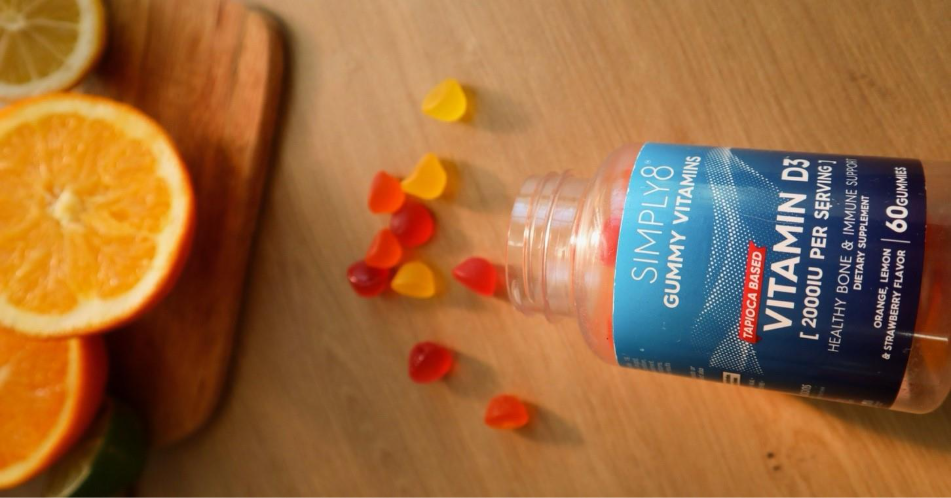
- Vitamin D sources: Fatty fish (e.g., salmon, tuna), fortified foods, sun exposure, and supplementation help keep your vitamin D levels up. This matters because vitamin D deficiency has been linked to a higher risk of respiratory infections.
- Zinc-rich foods: Beans, nuts, seeds, whole grains, and meats give you zinc, a mineral your immune cells need to develop and work properly.
Think of food as your immune system’s daily maintenance plan. It’s not about flashy fixes, but steady support.
2. Evidence on Supplements: Zinc and a Few Herbal Allies
Supplements can help in specific situations, but they’re not a free pass to skip your fruits and vegetables. Always talk with your healthcare provider before starting new supplements, especially if you take medications or are pregnant, breastfeeding, or have chronic conditions.
Zinc
If you start zinc lozenges within 24 hours of symptoms, they may help shorten a cold—some studies suggest by up to a third. However, trial results are mixed, and taking too much zinc or using it for too long can cause side effects like nausea or copper deficiency. So, how much and when you take it matters.
Herbal Teas and Botanicals
Some herbal remedies have early but encouraging evidence:
- Elderberry (Sambucus nigra): A meta-analysis of randomized trials found elderberry supplements could reduce the duration and severity of upper respiratory symptoms.
- Echinacea: The science contradicts the popular notion that echinacea is a wonder supplement for colds. While some reviews suggest possible modest benefits for colds, the results are inconsistent, and product quality varies widely.
Herbal teas like ginger, chamomile, or peppermint may not have strong evidence for fighting colds, but they can soothe sore throats, help you stay hydrated, and promote relaxation. These effects can indirectly support your immune system.

3. Move Your Body—But Don’t Overdo It
The science shows that regular, moderate exercise is connected to better immune function and a lower risk of respiratory infections. Activities such as brisk walking, cycling, swimming, or light strength training on most days can help. Such activities can:
- Enhance circulation, helping immune cells move efficiently through the body.
- Reduce chronic inflammation.
- Support better sleep and stress management, both of which influence immunity.
Pushing yourself too hard with intense, long workouts and not enough rest can temporarily weaken your immune system. During cold and flu season, it’s better to focus on regular, moderate exercise instead of tough, punishing routines.

4. Calm the Nervous System: Meditation and Stress Management
Multiple studies and reviews show that chronic stress can raise levels of the stress hormone cortisol and seriously weaken your immune system. When your body has high levels of cortisol for a long time, it can lower your immune response and make you more likely to get sick.
Mindfulness and meditation practices can reduce cortisol levels and have been shown to strengthen parts of the immune system that hunt down and remove virus-infected cells, so your body can respond more effectively when you get sick.
You don’t need to go on a long, silent retreat to see benefits. Studies show that just 10 to 15 minutes a day of breathing exercises, using a meditation app, or gentle yoga can help lower stress and support your immune system over time.

5. Guard Your Sleep Like It’s Your Job
Sleep is when your immune system does important work, like releasing infection-fighting proteins, building immune memory, and controlling inflammation. Not getting enough good sleep is linked to a higher risk of catching colds and slower recovery.
Support good sleep hygiene by:
- Keeping a regular sleep and wake schedule (even on weekends).
- Limiting screens and bright light at least an hour before bed.
- Creating a cool, dark, quiet sleep environment.
- Avoiding heavy meals, caffeine, and alcohol close to bedtime.
The Bottom Line
No single “immune booster” is the perfect solution to avoiding the cold and flu. But living in a way that includes healthy foods, smart supplement use, regular activity, stress management, and good sleep can help your body stay strong all season long. Focus on building a solid foundation, not just a quick fix, and your future self will thank you.
Linda Hubbard is an RN, Nutrition Specialist & Founder of To Your Health, a national nutrition and wellness coaching firm based in Wallingford, CT.
Mark Hubbard is a writer and editor with years of experience in the health and science sectors. He specializes in distilling complex topics into understandable, engaging text.