
Brighten Up Any Summer Outing With These Colorful Salad Skewers!
Guests will love eating this “salad on a stick” without any need for a fork or plate.

Guests will love eating this “salad on a stick” without any need for a fork or plate.

If you’ve been hearing more about microplastics lately, you’re not imagining it. These tiny plastic particles — smaller than a grain of rice, sometimes smaller than a human cell — are turning up in places you’d really rather they didn’t: our food, our water, and now, our bodies.

As a health and nutrition professional, I am often asked two questions about dietary protein: “How much do I need?” and “How can I incorporate more protein into my diet?” The answers to these questions vary from person to person, based on their gender, age, weight, activity level, and dietary preferences or restrictions.

If our last blog post about ultra-processed foods left you side-eyeing your snack cabinet — good. That was the point. But here’s the thing: cutting back on ultra-processed foods doesn’t mean you have to eat sad salads for the rest of your life or give up every food you enjoy. It means being a little more intentional about what ends up on your plate. And the good news? A few small changes can go a long way.

You’ve probably heard the advice a hundred times: “Eat less processed food.” But if you’ve ever stood in the grocery store aisle squinting at a nutrition label and thought, “What even is ‘disodium inosinate’?” — you’re not alone. The word “processed” gets thrown around a lot, but it actually covers a pretty wide spectrum. Understanding where your food falls on that spectrum might be one of the most useful things you can do for your health.

There’s nothing like a warm bowl of hearty soup on a cold winter day. This recipe hits the spot with sweet, caramelized butternut squash, roasted garlic, and a swirl of nutty sage brown butter that makes every spoonful feel a little indulgent.

Here’s something that might surprise you: your gut and your heart are having regular conversations—and what they’re saying to each other can make a big difference in your overall health. Understanding this connection could help you protect both at the same time.

Let’s be honest: most of us aren’t doing jumping jacks in the breakroom or packing kale salads every morning. But here’s the thing—keeping your heart healthy at work doesn’t require superhuman effort. It’s really about small, repeatable tweaks that tackle the two biggest workplace heart villains: sitting too much and stressing too much. And the best part? These changes won’t make you “that person” who does burpees in the office.

Romantic, High-End Dinners That Don’t Feel Like Diet Food.
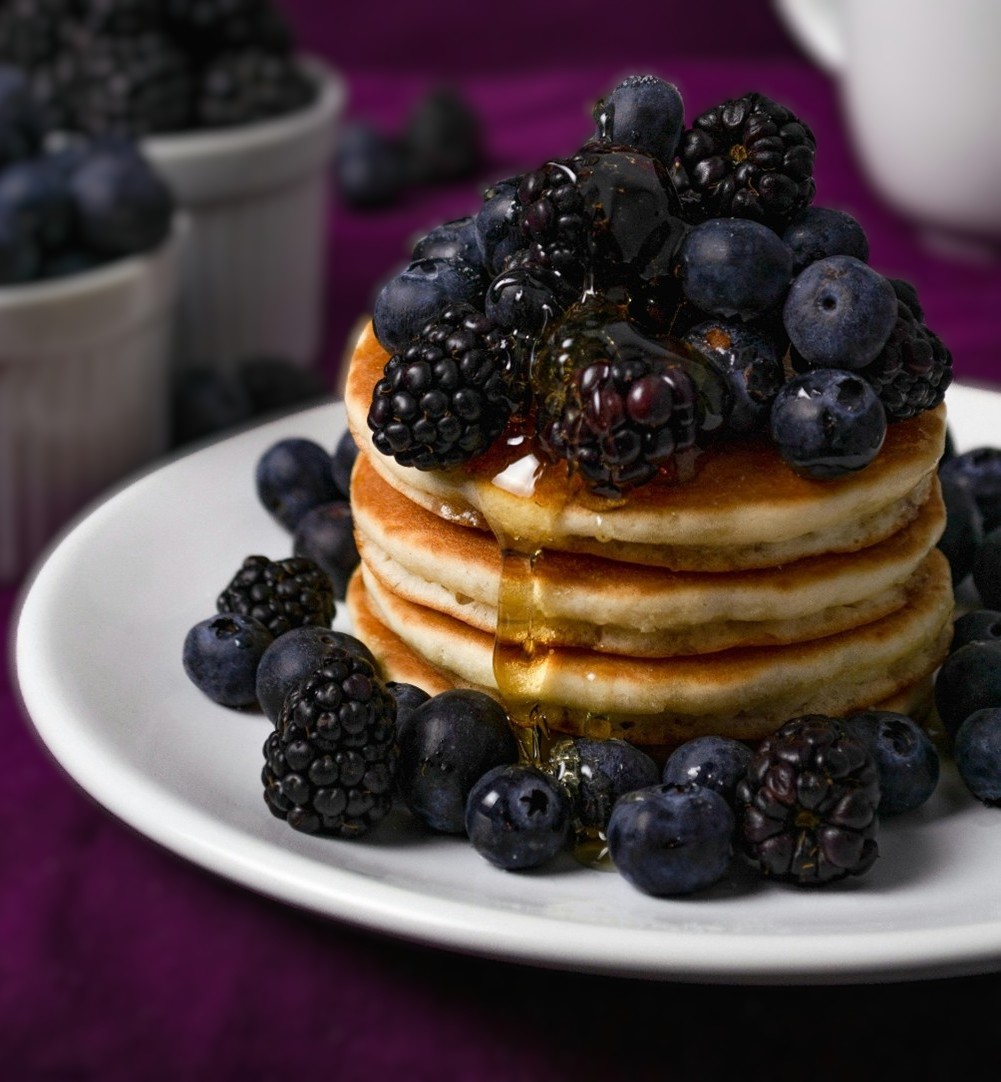
Start your day right with these Healthy Mini Pancakes, a fun little stack that feels like a weekend treat but eats like a smart weekday breakfast.