

By To Your Health and Mark Hubbard
If our last blog post about ultra-processed foods left you side-eyeing your snack cabinet — good. That was the point. But here’s the thing: cutting back on ultra-processed foods doesn’t mean you have to eat sad salads for the rest of your life or give up every food you enjoy. It means being a little more intentional about what ends up on your plate. And the good news? A few small changes can go a long way.
Start by Adding, Not Subtracting
Here’s a mindset shift that makes this whole thing so much easier: don’t start by removing foods, start by adding better ones. When you fill your plate with more fruits, vegetables, lean proteins, legumes, and whole grains, you naturally crowd out the ultra-processed stuff without feeling deprived. Think of it like reorganizing a closet — when the good stuff takes up more space, there’s less room for the junk.
A practical way to do this: add a fruit or vegetable to every meal or snack, no matter what else is on the plate. Even if dinner is a frozen entrée, toss in some frozen broccoli or a side salad. Shoot for progress, not perfection.
Smart Swaps That Actually Work
You don’t need to overhaul everything at once. Start with the foods you eat most often and find a slightly less processed version. Here are some swaps that are almost painless:
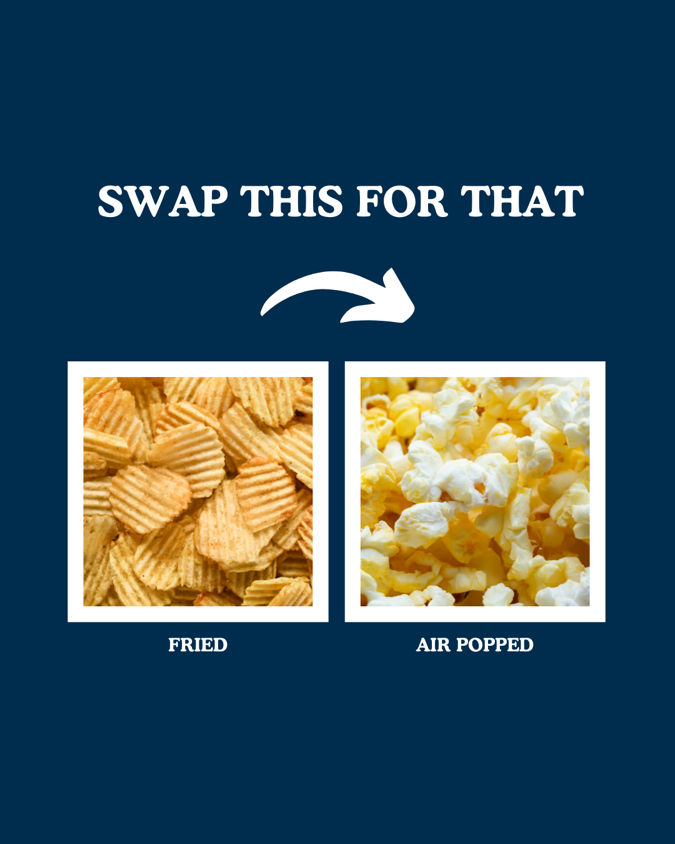
- Chips → air-popped popcorn — same salty, satisfying crunch, made from one ingredient
- Flavored yogurt → plain yogurt with fresh or frozen fruit — you control the sweetness
- Sugary cereal → rolled oats with berries and nuts — just as fast, far more filling
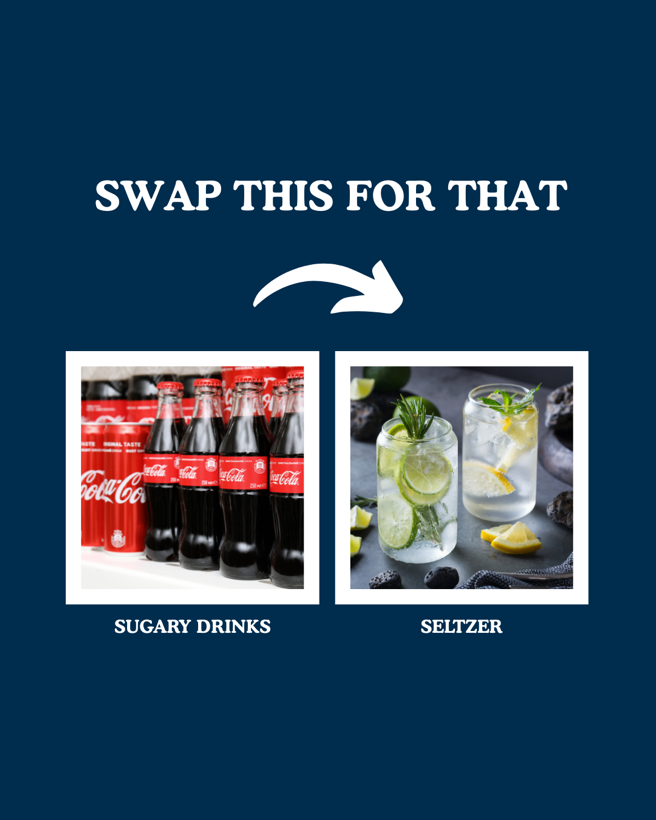
- Soda or energy drinks → sparkling water or unsweetened iced tea — your heart will thank you
- Pre-shredded cheese → a block of natural cheese you shred yourself — skips the anti-caking agents, tastes fresher and gets ooey gooey-er when melting
- Store-bought salad dressing → olive oil + vinegar + a pinch of salt — takes 30 seconds and has three ingredients
Read the Label Like a Pro
Here’s a quick rule of thumb that Johns Hopkins nutrition experts recommend: if the ingredient list has more than five items, or contains words you can’t pronounce and wouldn’t find in a kitchen pantry, put it back. You don’t need a nutrition degree — you just need to ask yourself, “Could I make this at home?” If the answer is no, it’s probably ultra-processed.
Shop the Perimeter, Plan the Week
Most of what you need to eat well lives along the edges of the grocery store — the produce section, the meat and fish counter, the dairy aisle. The center aisles are where most ultra-processed foods live. That doesn’t mean you never venture in — canned beans, frozen vegetables, and whole-grain pasta are all fair game. But if your cart is mostly filled from the perimeter, you’re already ahead of the curve.
Meal prepping once a week is another game-changer. When healthy food is ready to grab, you’re far less likely to reach for the ultra-processed backup option at 6 p.m. on a Tuesday when you’re tired and hungry. Batch-cook a grain, roast some vegetables, and keep hard-boiled eggs in the fridge. Future you will be very grateful.
Final Tip: One Swap at a Time
You don’t have to toss everything in your pantry and start over. Pick one swap this week — just one. Maybe it’s trading your afternoon chips for popcorn, or swapping your flavored yogurt for plain. See how it feels. Once that swap becomes second nature, add another. That’s how lasting habits actually form — not through a dramatic overhaul, but through small, consistent wins that add up over time.
Linda Hubbard is an RN, Nutrition Specialist & Founderof To Your Health, a national nutrition and wellness coaching firm based in Wallingford, CT.
Mark Hubbard, is a writer and editor with years of experience in the health and science sectors. He specializes in distilling complex topics into understandable, engaging text.