

A beginner’s guide to cutting plastic exposure in your food, water, and home.
By Linda Hubbard
If you’ve been hearing more about microplastics lately, you’re not imagining it. These tiny plastic particles — smaller than a grain of rice, sometimes smaller than a human cell — are turning up in places you’d really rather they didn’t: our food, our water, and now, our bodies.
A 2024 study out of England found microplastics in the blood of 90% of the healthy adults tested, identifying 24 different polymer types circulating in their bloodstream. Researchers have also detected these particles in lungs, livers, placentas, and even breast milk. The science on what this means long-term is still developing, but the early signals are enough to make most of us want to make a few smart tweaks.
Here’s the good news: you don’t need to swear off plastic forever or move into a glass-and-bamboo commune. A few simple swaps can meaningfully cut down your exposure, starting today.
Why This Is Worth Your Attention
Microplastics aren’t just inert little specks passing through. Many of them carry chemicals like BPA and phthalates, which can interfere with your hormones — the same hormones that regulate everything from metabolism to mood. Lab and animal research links microplastic exposure to inflammation and metabolic changes, and your body doesn’t have an easy way to flush these particles out. They tend to accumulate rather than pass through.
The research is still catching up to the headlines, but one study published in the New England Journal of Medicine found that patients with microplastics detected in their carotid artery plaque had a significantly higher risk of heart attack, stroke, or death over the following three years. That doesn’t prove cause and effect, but it’s the kind of finding that should grab your attention.
But in the big picture, this isn’t about citing alarming studies or panicking and making dramatic lifestyle changes. Instead, it’s about reducing exposure where it’s easiest to reduce — without turning your life upside down. Here are some practical steps you can take:
1. Stop Heating Food in Plastic (Your Biggest Win)
This one’s the heavyweight champion of microplastic reduction, and it’s almost embarrassingly easy. A 2023 study from the University of Nebraska-Lincoln found that microwaving plastic containers for just three minutes released over 2 billion nanoplastic particles and 4 million microplastic particles per square centimeter of container into the food. That’s not a typo. Billion, with a B.
What to do instead:
- Reheat leftovers in a glass bowl or on a plate, not the plastic container they came in
- If you must store food in plastic, transfer it to glass before microwaving
- Cover food in the microwave with a paper towel or glass lid, never plastic wrap
2. Upgrade Your Water Situation
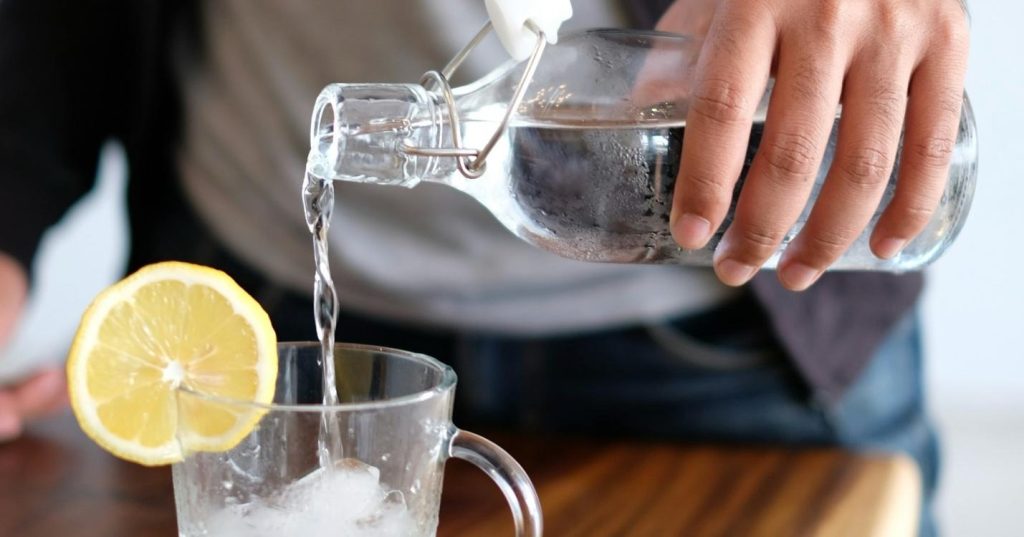
A 2024 Columbia University study found that a single liter of bottled water contains, on average, around 240,000 detectable plastic fragments — most of them nanoplastics so small they can slip directly into your bloodstream. Drinking water shouldn’t feel like a science experiment gone wrong.
Easy fixes:
- Carry a stainless steel or glass water bottle instead of buying bottled water
- Never leave plastic water bottles in a hot car (heat speeds up leaching — think of it as a microplastic slow cooker you didn’t sign up for)
- At home, pour filtered water into a pitcher or reusable bottle instead of grabbing single-use plastic
3. Be Smarter With Takeout
No one’s asking you to give up takeout. Just give it a little glow-up once it gets home.
- Move hot food onto a plate instead of eating straight from the container
- Store leftovers in glass instead of the takeout box
- Skip microwaving the takeout container itself — it was never built for that job, and it’ll let you know by shedding plastic into your dinner
4. Trim the Single-Use Stuff (Where It’s Easy)
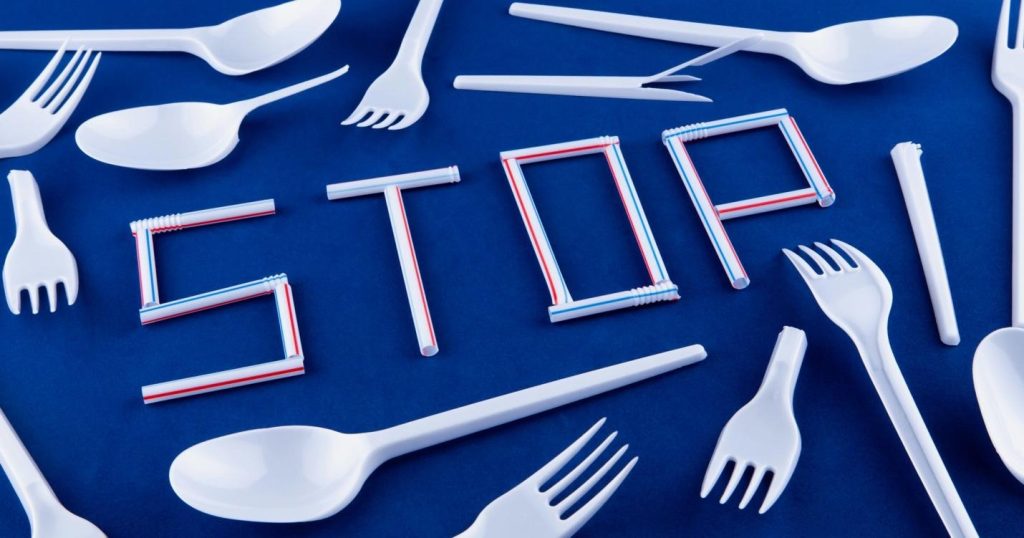
Nobody’s asking you to go zero-waste overnight. Just a little less waste.
- Swap plastic wrap for beeswax wrap or reusable lids
- Keep a few reusable grocery bags in your car so you actually remember to use them
- Use a real fork at home instead of grabbing a disposable one out of habit
5. Wash New Synthetic Clothes Before Wearing
This one flies under the radar, but synthetic fabrics shed the most microplastic fibers when they’re brand new.
- Wash new workout clothes before the first wear
- Toss new items into your regular laundry load — no special routine required
- If something feels slick or smell like chemicals straight out of the package, that’s your cue to wash it first
The Bottom Line
Look, you’re not going to plastic-proof your entire life by dinner tonight, and honestly, anyone who tells you otherwise is probably trying to sell you a $40 bamboo straw set. The point isn’t perfection — it’s swapping out the habits that are doing the most damage for the least effort.
So do the easy one first: move tonight’s leftovers to a glass bowl before they hit the microwave. Your blood will have one less polymer to deal with, and you didn’t even have to give up the leftovers.
Linda Hubbard, RN, Nutrition Specialist, Health Coach & Founder of To Your Health, a national nutrition and wellness coaching firm based in Wallingford, CT.