

Plus, five simple things you can do to keep the weight-loss drug from depleting your muscles.
If you’re on a GLP‑1 medication, you’re not imagining things: eating less feels easier than it ever has. But there’s a catch. Your body isn’t just losing fat; it can also lose muscle unless you give it a reason not to. That’s where dietary protein and a little resistance exercise come in as your “muscle insurance policy” while the medication does its job.
The Need for a Muscle Plan
GLP‑1 drugs like Ozempic and Wegovy help you eat less by dialing down appetite and slowing how quickly food leaves your stomach. That usually means a big drop in calories, which is great for weight loss, but also signals your body to use both fat and muscle for energy.
Research suggests that roughly 25–40% of the weight people lose on GLP‑1s can come from lean mass (aka muscle and other fat‑free tissue). That doesn’t make the medicines “bad,” but it does mean you want a strategy to avoid losing the valuable muscle that makes you strong and healthy.
Why Muscle Matters for the Long Haul
Think of muscle as your built‑in health protector. It helps you stay strong and steady on your feet, keeps your metabolism from crashing, supports blood sugar control, and makes everyday life—carrying groceries, climbing stairs, playing with kids or grandkids—feel easier.
When you lose too much muscle, a few things can happen: your calorie burn at rest drops, it becomes harder to keep the weight off, and your risk of weakness and falls later in life increases. That’s why more experts now talk about “quality” weight loss: losing fat while hanging on to as much muscle as possible.
How Protein and Light Strength Training Work Together
Here’s the simple version: protein provides the building blocks for muscle, and resistance exercise tells your body, “Hey, we’re still using this—don’t toss it.” You really need both, especially when you’re in a calorie deficit from the medication.
For people actively losing weight (including GLP‑1 users), many experts now recommend about 1.2–1.6 grams of protein per kilogram of body weight per day to better protect muscle. At the same time, modest resistance training (2–3 sessions per week of basic strength moves) can meaningfully reduce muscle loss on GLP‑1s.
One recent study found that when GLP‑1 therapy is combined with adequate protein intake and regular resistance or weight-bearing exercise, the risk of significant muscle problems appears low, and the drugs’ benefits remain strong. Another analysis found that higher protein intake during weight loss helped people retain more muscle compared to those eating less protein.

Five Simple Ways to Protect Your Muscles
Here’s what a five-part “muscle‑friendly” GLP-1 plan can look like in real life.
- Aim for roughly 1.2–1.6 grams of protein per kilogram of your body weight daily (about 80–110 grams for many adults), divided across meals and snacks. For an exact protein target based on your gender, weight, age, and activity level, use our Daily Protein Intake Calculator.
- Build meals around protein first: eggs or Greek yogurt for breakfast; chicken, fish, tofu, or lentils for lunch and dinner; and snacks like cottage cheese, edamame, or protein shakes as needed. For a list of over 60 high-protein foods, download our Guide to Protein-Rich Foods, found on our Protein Calculator page.
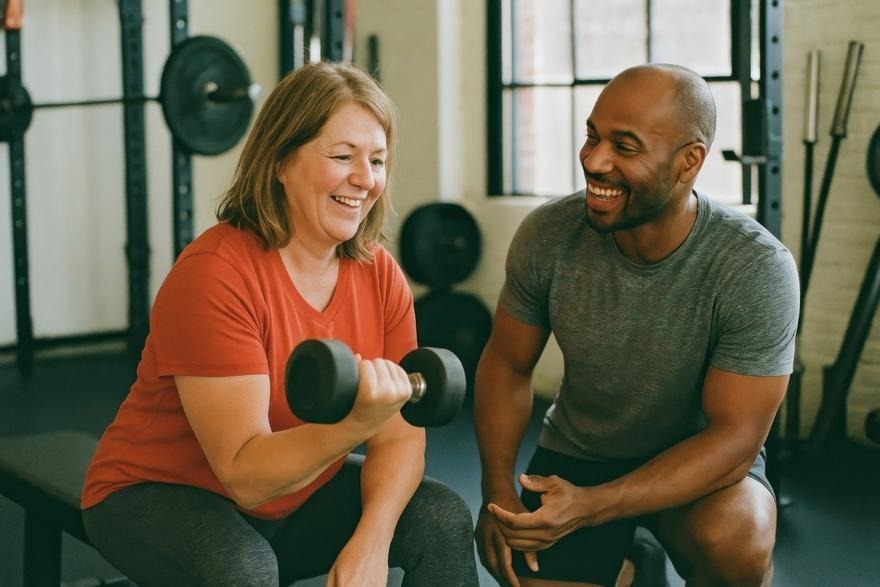
- Add light resistance work 2–3 times per week: body‑weight squats, wall push‑ups, light dumbbells, or resistance bands all count.
- Keep it gentle but consistent—one or two sets of 8–12 repetitions per major muscle group is enough to start sending your body that “don’t lose this muscle” message.
- Prioritize sleep and recovery; muscle repair happens when you rest, not just when you exercise.
If you’re currently taking a GLP‑1, think of your medication as the tool that helps you eat less. Then add protein and light strength training as habits that help you maintain your strength, independence, and energy while the pounds come off. You don’t need to live in the gym; you just need a few intentional choices most days to protect the muscle you’ve worked so hard to build.
Related Articles:
Maintaining Muscle After 40: Why It’s Important
Linda Hubbard is an RN, Nutrition Specialist & Founder of To Your Health, a national nutrition and wellness coaching firm based in Wallingford, CT.