
By To Your Health and Mark Hubbard
How they work, the pros and cons, and lower-cost versions on the market.
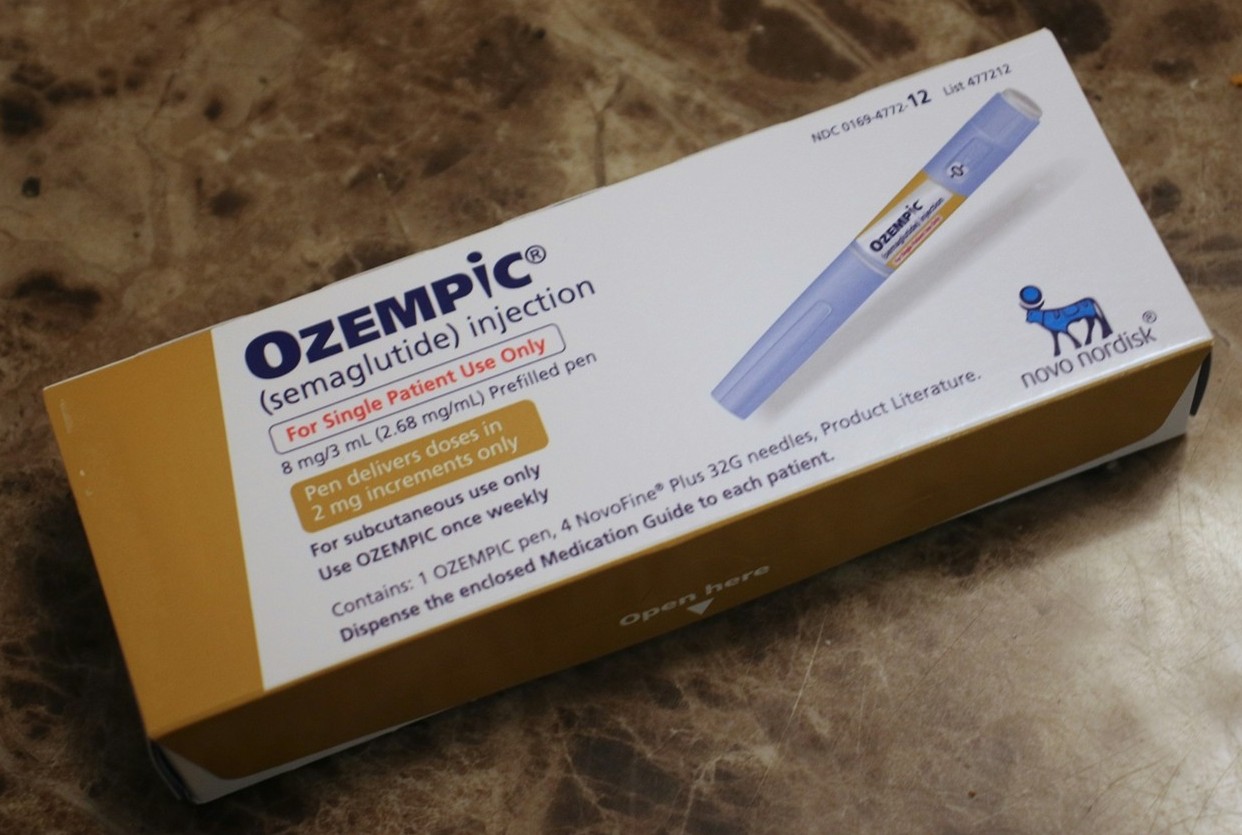
GLP-1 drugs like Ozempic and Wegovy are getting a lot of buzz these days thanks to celebrities, the media, and real-life success stories. But what exactly are they, and how do they help people lose weight? Here’s a straightforward breakdown for anyone new to the whole GLP-1 scene, with a practical look at how they work and the hot topic of cheaper compounded versions.
What Are GLP-1 Drugs?
GLP-1 stands for “Glucagon-like Peptide-1,” which is a hormone your gut naturally makes after you eat, especially when you dive into that second slice of birthday cake. This hormone tells your body to release insulin (which lowers blood sugar) and also helps you feel full, so you’re less likely to snack an hour later. Scientists figured out how to turn this hormone into weekly injectable medications (like Ozempic, Wegovy, Zepbound, Mounjaro) that mimic what your body does, but with extra oomph—helping not only with managing diabetes, but also making weight loss more achievable.
How Do GLP-1 Drugs Work?
When you take the GLP-1 medication—usually a shot once a week—it does three things in your body:
- Keeps You Fuller, Longer: It slows down the speed your stomach empties food, so you feel satisfied long after meals. That 3 PM cookie craving? Suddenly less urgent.
- Tames Your Blood Sugar: It makes sure your body handles sugars from food more smoothly, which is great news for folks with diabetes or prediabetes.
- Turns Down the Hunger Dial: GLP-1 drugs send signals to your brain that you’ve had enough to eat—making it a lot easier to stick to reasonable portions without feeling deprived.
Most people found that they eat less, crave less, and steadily lose weight over months. It’s important to note, the drugs work best when combined with healthy eating and activity—no magic wand, just a helpful boost.
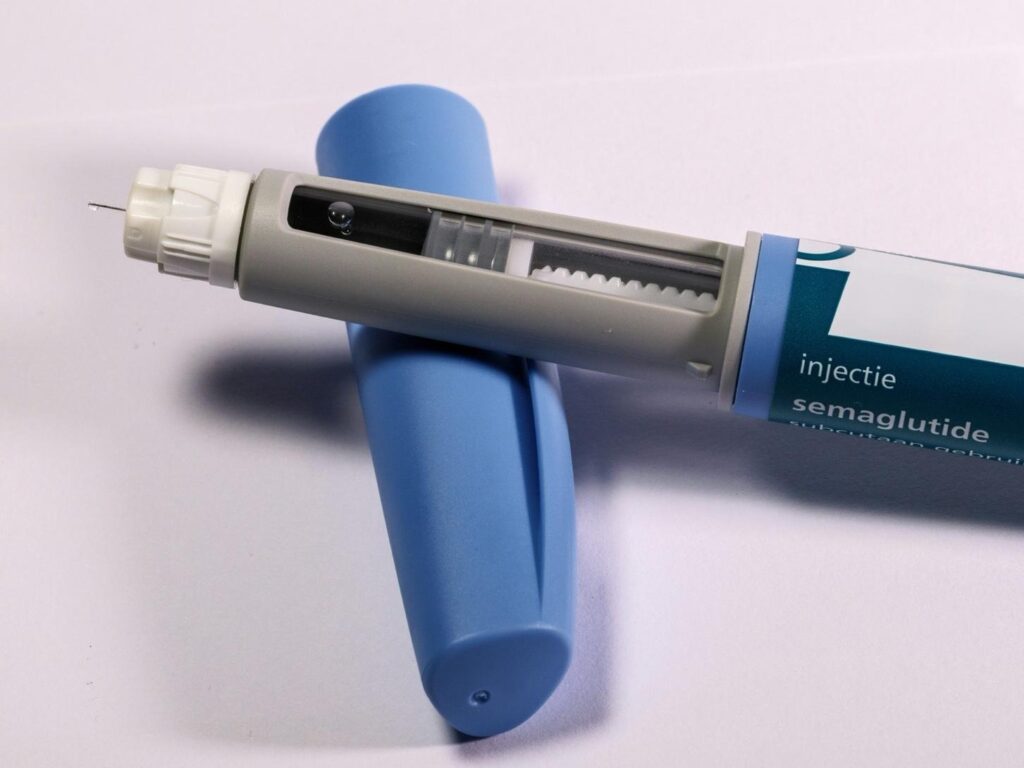
Photo by Haberdoedas on Unsplash
What are the Pros and Cons of GLP-1 Drugs?
The pros:
- Big Results, Fast: Many people see 15–20% weight loss, which is much higher than older pill options.
- Fewer Shots: Most people only need one shot per week—a win for anyone who doesn’t like needles.
- Metabolic Wins: Lower blood sugar, healthier cholesterol, less joint stress—the benefits keep stacking up.
The cons:
- Common side effects: nausea, vomiting, and constipation that often get better with time.
- Rare but serious risks: like pancreatitis or thyroid problems, especially for some high-risk people.
- Cost and access: The cost of brand-named drugs can easily exceed $1000/month, and they are sometimes hard to find (though it is predicted that these prices will be coming down.) Cheaper compounded GLP-1drugs are more accessible and save the consumer money, but they come with some potential safety trade-offs. (See our discussion about compounded drugs below.)
The Buzz about Cheaper Compounded GLP-1 Drugs
So, what exactly are compounded GLP-1 drugs, why are they cheaper, and what are the issues surrounding them? Here’s where things get interesting—and a little confusing. Brand-name GLP-1 drugs are expensive, with monthly costs easily reaching $1,000 or more, and insurance doesn’t always help cover their cost.
This led to the rise of “compounded” versions, which are mixed by special pharmacies (sometimes for 30–70% less cost), rather than big drug manufacturers. During drug shortages, compounded drugs helped many people get medicine they otherwise couldn’t access or afford.
But here’s the trade-off: these compounded meds don’t go through the same strict FDA checks and trials as the originals. They are regulated primarily by state pharmacy boards rather than federal oversight.
So, while compounded GLP-1 drugs are generally safe, there’s a bit more uncertainty about what added ingredients and dosages you’re actually getting in the syringe. Plus, rules around who can make and sell them are changing all the time—so before opting for compounded GLP-1 drugs, it’s smart to talk things over with your healthcare provider and make sure you’re in the know.
Learn more about GLP-1 drugs.
Hopefully, this article has given you some basic facts about GLP-1 drugs and some insights into their costs and benefits. To find out more about these drugs, we at To Your Health are providing you with a Medication Fact Sheet that covers specific GLP-1 drugs, their estimated costs, and the pros and cons of each drug.
As always, we advise you to speak with your healthcare provider about any weight loss drug. We hope that this article and the accompanying fact sheet will help you ask informed questions and have a more productive conversation with your health care provider.
Linda Hubbard is an RN, Nutrition Specialist & Founder of To Your Health, a national nutrition and wellness coaching firm based in Wallingford, CT.
Mark Hubbard, is a writer and editor with years of experience in the health and science sectors. He specializes in distilling complex topics into understandable, engaging text.