
By To Your Health and Mark Hubbard
Are you looking to lose weight without the prescription price tag or side effects of GLP-1 drugs? Well, you’re in luck! Nature has got some GLP-1 boosting tricks up her sleeve, and they might already be hanging out in your kitchen or hiding in your lunchbox.
What the heck is GLP-1?
First things first: GLP-1 (aka Glucagon-like Peptide 1—try saying that three times fast) is a hormone that tells your brain, “Hey, you’re full!” It helps you pump the brakes on eating, keeps blood sugar steady, and acts like your body’s personal appetite manager. While drugs like Ozempic and Wegovy take this effect into hyperdrive, most people prefer a less laboratory-involved approach to weight loss. If you’re that person, then read on.
Fiber: The Real MVP
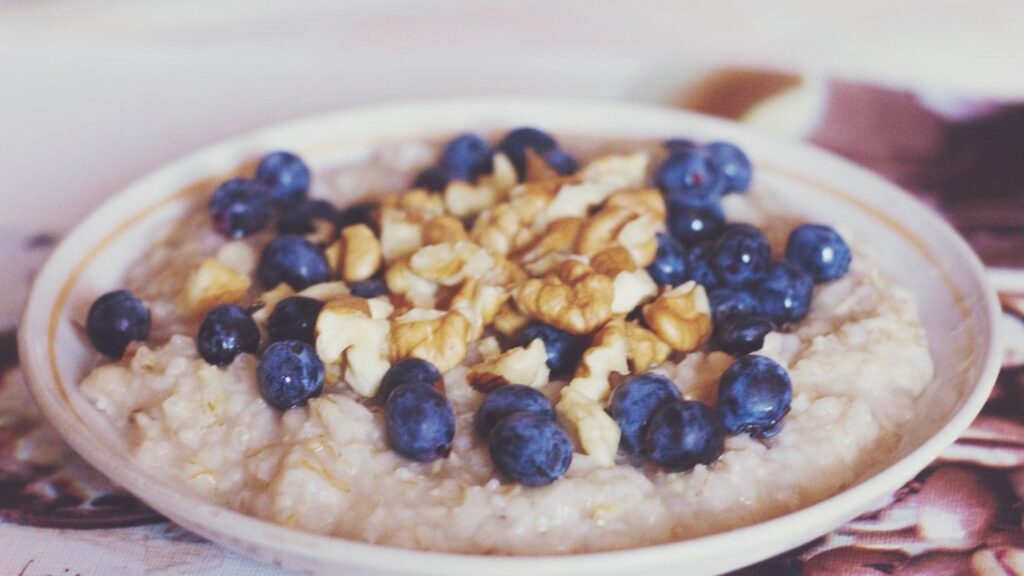
If GLP-1 had a best friend, it would be fiber. Fiber is that trusty sidekick you’ll find in beans, veggies, nuts, seeds, and whole grains. It ferments in your gut (don’t worry, this is good), releases satiety-boosting substances, and helps you feel full longer. Imagine fiber as nature’s appetite “mute button”—no pills or shots required.
Pro tip: Add fiber to most meals. Beans in your salad, berries on your oatmeal, and nuts for a snack. If you’re like most people, you’re not getting enough fiber in your current diet, so add it wherever you can!
Healthy Monounsaturated Fats Are Your Friends
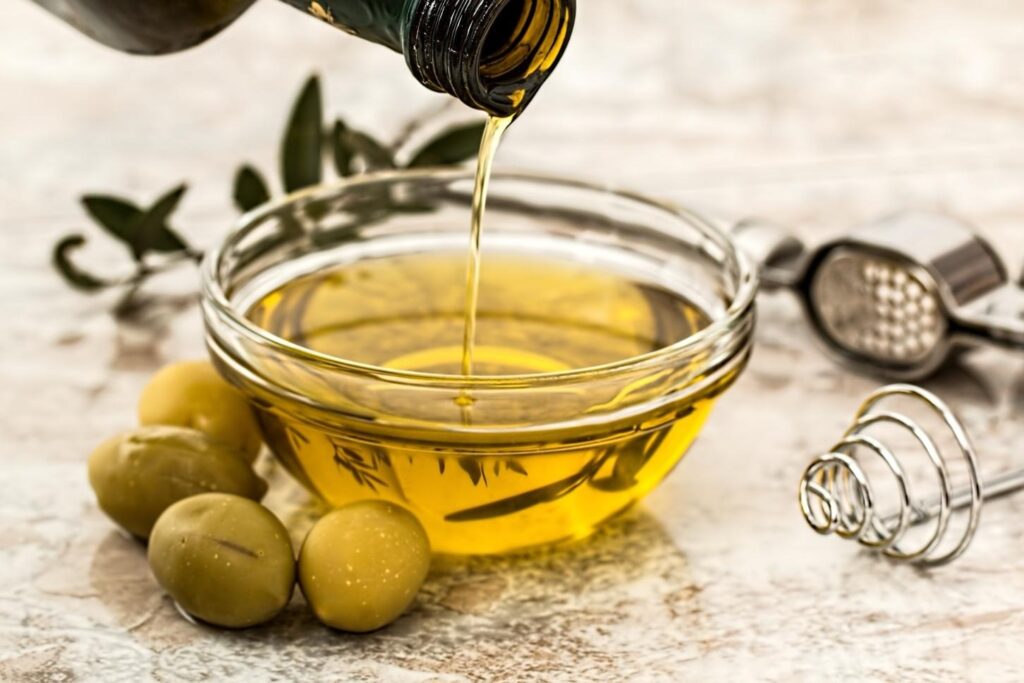
Olive oil, avocados, and nuts—these are real foods, full of monounsaturated fats that help your body naturally crank up its GLP-1. Swapping out butter for olive oil or tossing an avocado or some almonds into your lunch can make you feel more satisfied with less food. Bonus: healthy fats come with a side of heart-healthy goodness that will help keep your ticker humming away for a long time.
Breakfast, Food Order & Chewing Like You Mean It
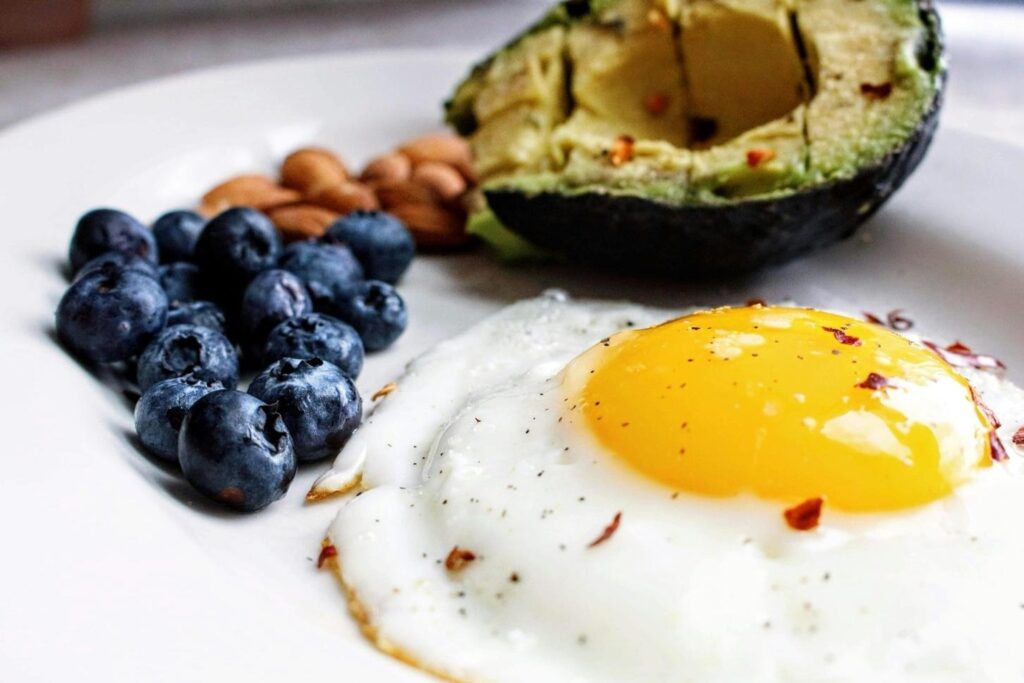
Breakfast lovers, rejoice! Science shows that those early meals pack a bigger GLP-1 punch than an afternoon or late-night snack. In other words, “eat breakfast like a king” is now science-backed, not just grandma-backed.
Additionally, it turns out that how (and when!) you eat things matters. Science says eating protein or veggies before carbs can give your GLP-1 levels a nice boost. So, attack that roasted salmon before the pasta. Also, slow down, chew thoroughly, and pretend you’re in slow-motion—studies show that eating slowly and chewing your food more increases GLP-1, compared to eating fast. Your gut hormones will thank you.
Fermented Goodies & Flavonoids
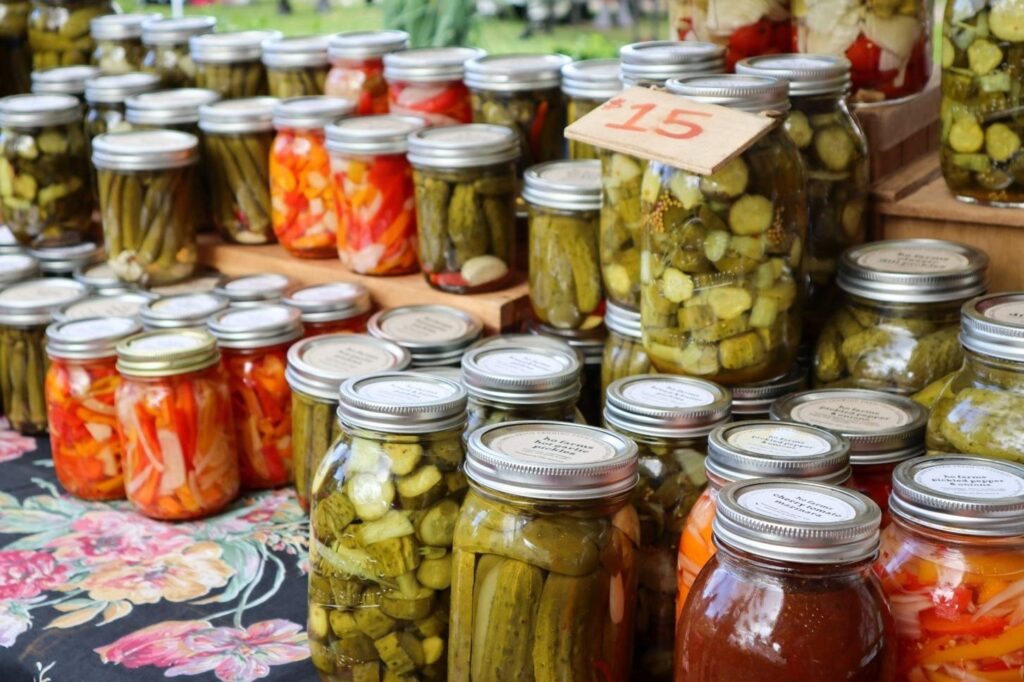
Gut bacteria are the underrated heroes of this story. Fermented foods like yogurt, kimchi, and miso encourage the good bugs in your gut to release more GLP-1. And if you need another reason to love dark chocolate, flavonoids—found in chocolate, berries, and teas—are showing promise for natural appetite control. So, snack smartly, friends.
Reality Check: Food vs. Pharma
Can natural options replace medication entirely? Not quite. GLP-1 drugs can dial up your hormone levels a thousand-fold. But the side effects can be, well, less than charming. Alternatively, diet-based GLP-1 boosts come with extra perks—think better heart health, increased energy, and a healthy gut biome.
The Takeaway: Mother Nature’s Appetite Hackers
Here’s your “don’t overthink it” checklist:
- Go big at breakfast with fiber, protein, and healthy fat.
- Put olive oil and avocados on the grocery list.
- Snack on nuts and keep veggies and beans in the meal rotation.
- Chew slower than a sloth at brunch.
- Start meals with veggies and protein, finish with carbs.
Bottom line–you don’t have to get an injection to outsmart your appetite and raise your GLP-1. Sometimes, all it takes is a fork, more fiber, healthy fats, and some small changes in eating habits to get some good results.
————————-
Linda Hubbard is an RN, Nutrition Specialist & Founder of To Your Health, a national nutrition and wellness coaching firm based in Wallingford, CT. Mark Hubbard is a writer and editor with years of experience in the health and science sectors. He specializes in distilling complex topics into understandable, engaging text.