

By To Your Health and Mark Hubbard
Stress is part of everyday life, but there are simple, natural ways to turn the dial down so it doesn’t run your health (or your mood) into the ground. By pairing stress‑supportive foods with calming breathwork and a few simple daily habits, you can build a toolbox that helps you feel more steady, focused and resilient.
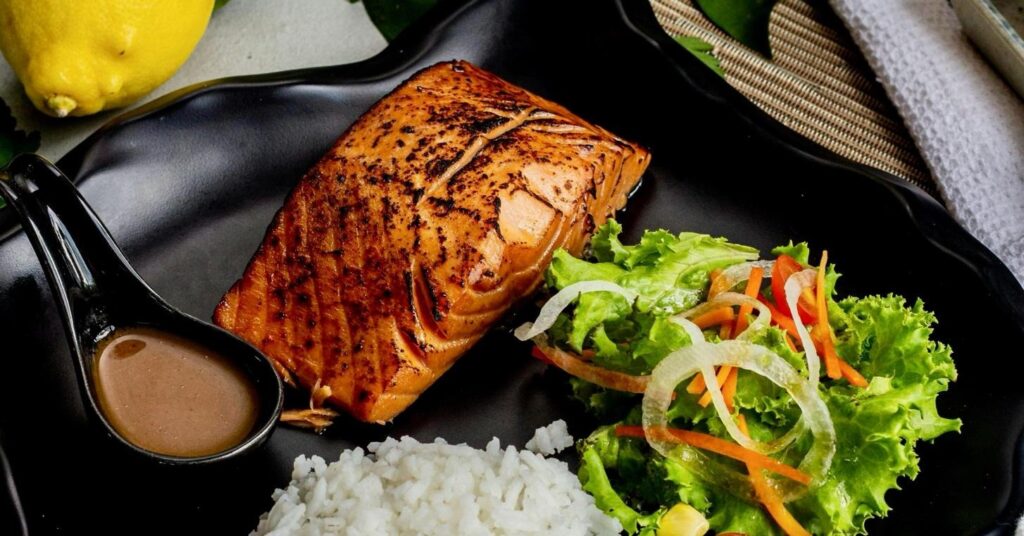
Foods That Calm Your Nervous System
What you eat can either fuel your stress response or help soothe it, thanks to its impact on blood sugar, hormones and even your gut-brain connection. Certain nutrients are especially powerful:
- Magnesium-rich foods like leafy greens, pumpkin seeds, almonds and black beans help relax muscles and support a calmer nervous system.
- Omega-3 fats from salmon, other fatty fish, walnuts and flaxseeds support brain health, reduce inflammation and may ease feelings of anxiety.
- Complex carbohydrates such as oats, quinoa and sweet potatoes provide steady energy and support serotonin, a feel-good brain chemical.
- Vitamin C–rich foods like citrus, bell peppers and strawberries may help lower cortisol, a key stress hormone.
- Protein from eggs, poultry, beans and tofu helps balance blood sugar and provides amino acids to make calming neurotransmitters.
What the science says: The evidence from one study suggests that adopting a healthy diet, such as the Mediterranean Diet for 12 weeks, can positively affect mental health, including depression, anxiety and stress.
Food and Drink to Avoid When You’re Stressed Out
Some foods can worsen anxiety, disrupt sleep, or spike stress hormones. Eating or drinking these foods and beverages when you’re stressed is like pouring gasoline on the fire.
Here are foods and beverages to avoid when you are stressed out:
- Alcohol, which may feel relaxing in the short term, can worsen stress and disrupt sleep.
- Excess caffeine, which can increase jitters, heart rate and anxious feelings.
- Added sugars and refined carbs that spike and crash blood sugar, often worsening mood and cravings.
- Highly processed foods, which can contribute to increased inflammation and are often low in nutrients.
What the science says: A 2021 study found that increased consumption of ultra-processed foods is associated with a higher occurrence of anxiety and depression symptoms, leading researchers to recommend an increase in the consumption of fresh, minimally processed foods.

Breathing: Your Built‑In Stress Switch
Your breath is one of the fastest ways to talk directly to your nervous system — no equipment required. Shallow chest breathing keeps you stuck in fight‑or‑flight, while slow, deep breaths activate your parasympathetic “rest and digest” mode.
Try these simple techniques:
- Box breathing: Inhale for 4 seconds, hold 4, exhale 4, hold 4; repeat for 1–3 minutes.
- The cyclic or physiological sigh: Inhale through the nose, take a quick second inhale, then exhale slowly through the mouth; repeat for 3-5 minutes.
- Longer exhales: Breathe in for a count of 4 and out for a count of 6–8 to nudge your heart rate and cortisol down.
What the science says: In an informative article, the Mayo Clinic staff explains that even a few minutes of meditation and deep, focused breathing can help restore a sense of calm and reduce stress.
Quick Exercises to Lower Stress Instantly
Movement and mindful attention give your body somewhere to send all that stress energy. The key is not perfection, but consistent small actions woven into your day.
- Take a 5–10-minute walk, preferably outside, to lower muscle tension and clear mental clutter.
- Try a shoulder release: Lift your shoulders toward your ears as you inhale, hold briefly, then drop them as you exhale.
- Aim for regular physical activity most days of the week to help regulate mood, sleep and overall stress resilience.
What the science says: A 2020 study showed that short-term aerobic exercise programs of about 6 weeks at low to moderate intensity significantly improve perceived stress and depressive symptoms in university students.
Putting It All Together in Real Life
When stress is high, keep your plan simple and doable rather than perfect. Think in terms of tiny upgrades: one calmer meal, one deep‑breathing break, one short walk.
Do these three simple things to reduce stress each day:
- Build one “stress-smart” meal each day. Choose a magnesium or omega–3–rich food (like salmon, avocado, leafy greens, beans or nuts) plus a source of protein and fiber.
- Schedule two mini breathing breaks each day. Set reminders (morning and afternoon) to practice deep breathing and treat these breaks like appointments. Over time, they will train your body to shift out of that stressful fight-or-flight mode more easily.
- Move your body a little every day. Aim for at least 10–20 minutes of walking, gentle stretching or other light activity on most days to lower stress hormones and boost mood.
Stress may be a fact of life, but with one calmer meal, a few deep breaths and a short daily walk, you’re already well on your way to feeling more in control. Start small, stay consistent and let each tiny choice remind you that you absolutely can do this.
Linda Hubbard is an RN, Nutrition Specialist & Founder of To Your Health, a national nutrition and wellness coaching firm based in Wallingford, CT.
Mark Hubbard, is a writer and editor with years of experience in the health and science sectors. He specializes in distilling complex topics into understandable, engaging text.