
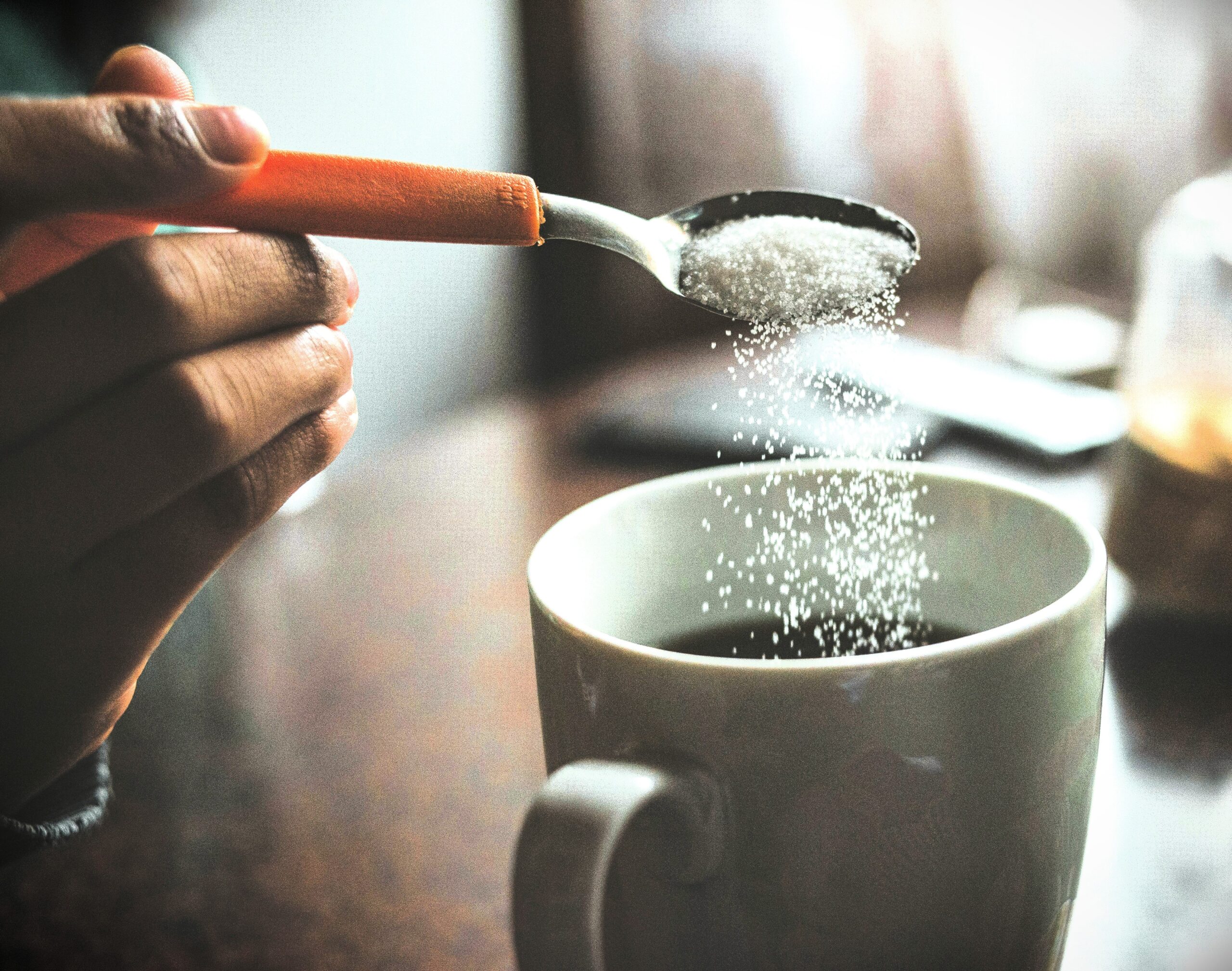
New research finds that Sucralose (Splenda) can increase hunger by 17%.
Sucralose, a staple zero-calorie sweetener found in everything from “diet” sodas to sugar-free ice creams, is marketed as a guilt-free shortcut to satisfying a sweet tooth. But a new study is shaking up expectations: instead of curbing cravings, sucralose may actually crank up appetite, especially in those striving to lose weight.
Zero-calorie but not zero hunger.
With obesity rates climbing and people seeking lower-calorie options, artificial sweeteners like sucralose—commonly known as Splenda—have become mainstays in modern diets. The logic seems sound: If you crave sweets, why not swap sugar for something that tastes just as good, minus the calories? Yet, science is catching up with our taste buds, revealing that the brain isn’t so easily fooled.
The 2025 research, published in Nature Metabolism, involved 75 adults ranging from healthy weight to obese. Each drank beverages sweetened with sucralose, regular table sugar (sucrose), or plain water. Using MRI scans and self-reported hunger ratings, researchers tracked participants’ brain activity and appetite before and after consumption.
The study’s results.

The researchers found that sucralose increased blood flow in the hypothalamus—the brain’s hunger hub—more than sugar or water, and participants reported a sharper rise in hunger after drinking sucralose-sweetened beverages.
Most strikingly, the study found that after consuming sucralose, participants experienced a 17% increase in self-reported hunger compared to those who drank either sugar-sweetened or plain beverages. This effect was especially pronounced in women and individuals who were overweight or obese.
The researchers noted that this rise in hunger wasn’t just psychological; it was tightly linked to increased signaling in the hypothalamus, highlighting a direct connection between sucralose intake and appetite regulation. In practical terms, those sipping on zero-calorie sweeteners might feel their stomachs grumble more—a surprising twist for anyone looking to cut back on calories.
Why does sucralose spike hunger?

When we eat sugar, our bodies respond by releasing hormones (like GLP-1) that tell the brain nourishment has arrived, reducing hunger. Sucralose, however, delivers the sweet taste without the calories or the hormones that reduce our hunger.
Dr. Kathleen Page, lead author of the study and director of the USC Diabetes and Obesity Research Institute, explains that sucralose stimulates hunger-related areas of the brain but fails to trigger metabolic signals that would “close the loop” on appetite. The result: a mismatch between taste cues and metabolic feedback, which may lead to stronger or more persistent cravings, especially in women and those with obesity.
To use a pinch of humor: where sugar says, “Dinner’s served!”, sucralose just says, “Coming soon!”, leaving the brain hungry for more.
What this means for your snack strategy.
Before you panic and throw out every sugar-free product in your pantry, take a breath. This doesn’t mean artificial sweeteners are evil incarnate, but it does suggest they might not be the magic bullet we once thought they were.
In practical terms, for anyone seeking to manage weight or cravings, this study suggests it may be wiser to focus on whole foods and natural eating patterns instead of relying on artificial sweeteners. As the science evolves, remember—sometimes, the no-calorie promise comes with unexpected catches!
Final Recommendations: Smarter Alternatives to Splenda
And finally, here are three healthier ways to satisfy your sweet tooth that won’t trigger increased hunger:
1. Retrain your palate. Gradually reduce reliance on intensely sweet flavors. Over time, less-sweet foods (e.g., fruits, unsweetened yogurt) will become more satisfying.
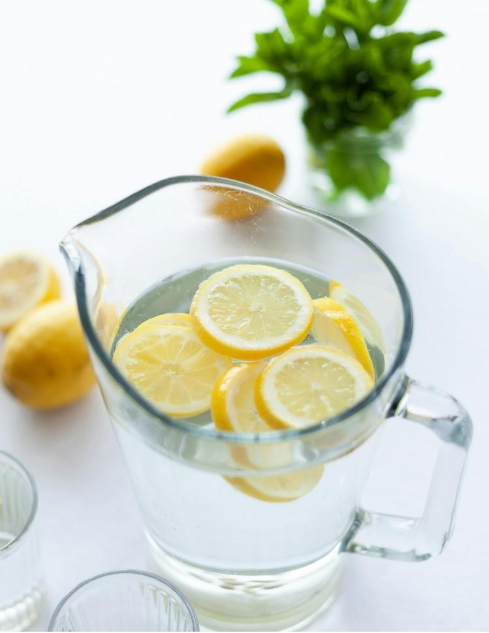
2. Hydrate creatively. Swap artificially sweetened drinks with water that’s infused with extras like lemon, lime, mint, cucumber or berries. This way, you can add flavor without sabotaging your satiety cues.
3. Choose naturally sweet whole foods. Instead of sweetened snacks, reach for whole fruits, vegetables (like carrots or bell peppers), or plain yogurt with fresh berries or a sprinkle of cinnamon.
These tactics aren’t as easy as pouring a spoonful of sweetener into your drink, but they are tried and true alternatives that actually work. If you struggle with any of these strategies, a nutrition coach can help you stay on track as you journey toward better health without artificial sweeteners.
————————-
This post was written exclusively for To Your Health, a national nutrition and wellness coaching firm based in central Connecticut. Its founder, Linda Hubbard, is an RN, Nutrition Specialist & Health Coach. She can be reached at linda@toyourhealth360.com.
Like what you see? Then please share this post.
Don’t want to miss a blog post? Then subscribe to our email list.