

By To Your Health and Mark Hubbard
Exercising outside in winter can boost your mood, support your immune system, and make those daily steps work even harder for your health—if you do it safely and smartly. With a little planning, winter walking can go from “Ugh, it’s freezing” to “Wow, I actually feel amazing.”
Why Outdoor Winter Walking Is Worth It
- Walking outside in winter burns more calories. Winter outdoor workouts require more energy because your body is working extra hard to stay warm—that means more calories burned.
- Outdoor activity and daylight exposure support vitamin D levels and can ease seasonal affective disorder symptoms and winter blues.
- Staying moderately active, including in winter, supports immune function and is linked with fewer common infections like those nasty winter colds.
- Walking outside—especially in nature, sometimes referred to as green exercise—is linked to a better mood, increased energy, and a higher likelihood of sticking with exercise in the long term.
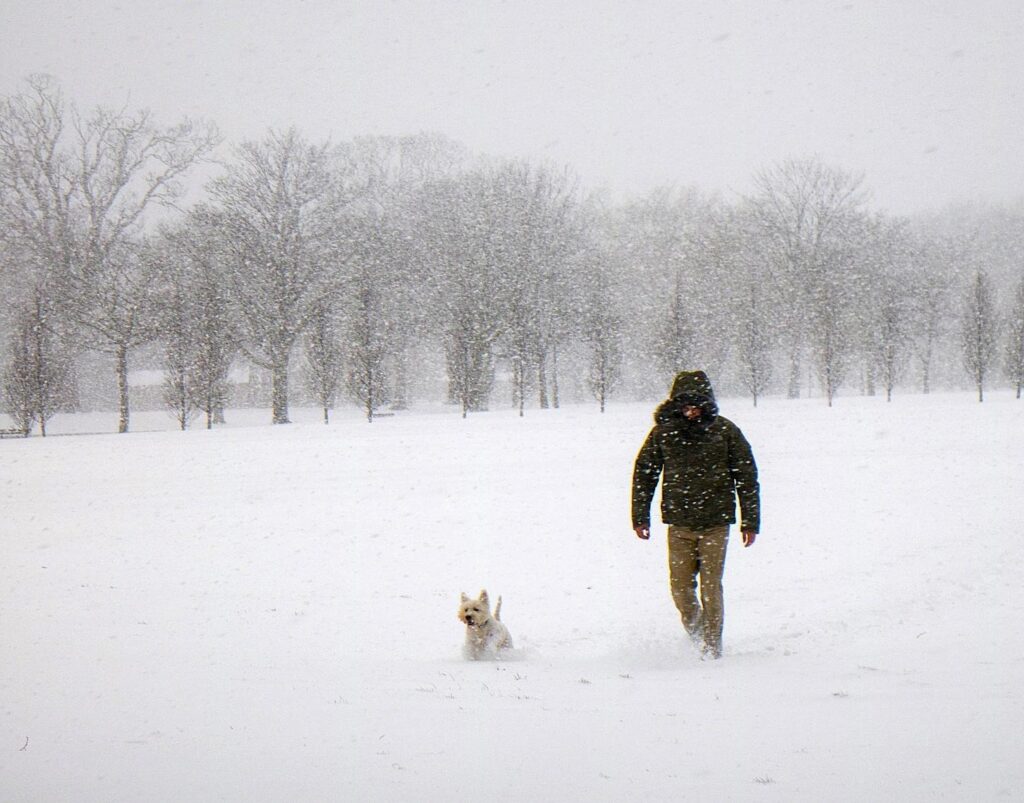
Dress Smart: Layer, Don’t Bulk
Think “comfortable onion,” not marshmallow. The right layers keep you warm, dry, and able to move.
- Base layer: Choose moisture-wicking fabrics (synthetic or merino wool) against your skin to pull sweat away and prevent chills; avoid cotton, which holds moisture.
- Mid layer: Add a fleece or light insulated jacket to trap heat while still letting sweat escape.
- Outer layer: Finish with a windproof, waterproof shell to block wind, rain, or wet snow.
Don’t forget the “extras” that make a big difference:
- Warm hat and gloves or mittens to reduce heat loss from the head and hands.
- Wool or synthetic socks and waterproof shoes/boots with good traction to keep feet warm and secure on slick sidewalks.
- Reflective gear or a small light for those dark winter mornings and evenings.
Plan Routes With Safety in Mind
A good route makes winter walking feel inviting instead of intimidating.
- Stick to well-lit, familiar routes that are plowed, salted, or otherwise maintained when possible.
- Be extra cautious on hills, bridges, and shaded areas, which tend to stay icy longer.
- If you’re unsure about a surface, gently test it with a small step before committing your full weight.
- In slippery weather, wear shoes or boots with non-slip soles or traction devices designed for ice.
- Let someone know your route and when you expect to be back, especially if you’re walking in quieter areas.
Pace Yourself: Make Winter Walks Doable
To get the mental and physical benefits, your walks need to feel doable, not like punishment.
- Start with 10–15 minutes at an easy pace and build up gradually as your body adjusts to the cold.
- On slick days, shorten your stride and slow your pace; you’ll still get heart-health and mood benefits without risking a fall.
- Aim for a pace where you can talk in short sentences but still feel like you’re working—this is a sweet spot for heart health and calorie burn.
For mental health:
- Try walking during daylight hours when possible, to get that natural light boost.
- Treat your walk like a moving meditation: notice your breath, the crunch of snow, the feel of the air on your face to reduce stress and support emotional well-being.

Make It Enjoyable Enough to Repeat
Enjoyment is the secret ingredient that turns a winter walk into a winter habit.
- Invite a friend, neighbor, or family member—social connections themselves have mood and health benefits.
- Create a “winter walking playlist” or choose a favorite podcast to pair with shorter solo walks. Some favorite podcasts among To Your Health clients are: On Purpose with Jay Shetty (insightful self-awareness), Mel Robbins (motivation), SmartLess (pure entertainment, laughs), and Good Hang with Amy Poehler (fun, funny, light).
- Set small, realistic goals, like “15 minutes after lunch on weekdays,” and celebrate consistency rather than speed or distance.
Regular winter walking supports your heart, immune system, sleep, and mood, and it makes spring exercise feel easier when the weather finally turns. Lace up, layer up, step carefully—and let cold-weather walks become a simple, powerful tool for your whole-body health.
Linda Hubbard is an RN, Nutrition Specialist & Founderof To Your Health, a national nutrition and wellness coaching firm based in Wallingford, CT.
Mark Hubbard, is a writer and editor with years of experience in the health and science sectors. He specializes in distilling complex topics into understandable, engaging text.