

By To Your Health and Mark Hubbard
Let’s be honest: most of us aren’t doing jumping jacks in the breakroom or packing kale salads every morning. But here’s the thing—keeping your heart healthy at work doesn’t require superhuman effort. It’s really about small, repeatable tweaks that tackle the two biggest workplace heart villains: sitting too much and stressing too much. And the best part? These changes won’t make you “that person” who does burpees in the office.
Why Your Desk Job Matters More Than You Think
You probably spend about a third of your waking life at work, which means your office environment plays a huge role in your blood pressure, cholesterol, weight, and stress levels. Research shows that jobs with long hours, high demands, and little control are linked to higher rates of high blood pressure and heart disease.
And sitting? It’s not just uncomfortable—it’s a legitimate risk factor. One major study of more than 480,000 adults found that people who sat most of the day at work had a 34% higher risk of dying from cardiovascular disease compared to those who weren’t desk-bound, even after accounting for age, smoking, and weight. Translation: what you do (or don’t do) between meetings really does add up.

Get Moving Without Making a Scene
You don’t need a gym membership or a lunch-break CrossFit session. You just need to interrupt all that sitting with frequent little bursts of movement.
Here’s how:
- Try walking meetings: Turn one or two of your one-on-one check-ins each day into quick walking meetings. This helps you reclaim the extra 15 to 30 minutes of daily activity needed to offset the damage from sitting all day.
- Set a “3-minute rule”: Every hour, stand up and move for 2 to 3 minutes. Walk to the restroom on a different floor, refill your water bottle, or pace during phone calls. Even these short breaks help improve blood flow and may lower cardiovascular risk.
Think of movement like brushing your teeth—small, consistent “hygiene” habits to protect your arteries, not a once-a-week punishment workout.
Upgrade Your Desk Snacks (Just a Little)
Whatever you keep within arm’s reach at your desk tends to be what you eat most. A few simple swaps can make a real difference for your blood pressure, cholesterol, and blood sugar.
Try these heart-smarter options:
- Snacks: Swap the candy bowl for unsalted nuts, roasted chickpeas, apple slices with peanut butter, or plain Greek yogurt. Diets higher in nuts and legumes are linked to better cholesterol levels and lower heart disease risk.
- Lunch: Aim for lean protein, fiber, and healthy fats—like a salad with salmon or beans, a whole-grain wrap with turkey and veggies, or leftovers from home instead of the drive-thru. Mediterranean-style eating has been shown to lower cardiovascular events.
- Drinks: Replace at least one sugary beverage a day with water, sparkling water, or unsweetened tea. Added sugar is strongly tied to higher heart disease risk and weight gain.
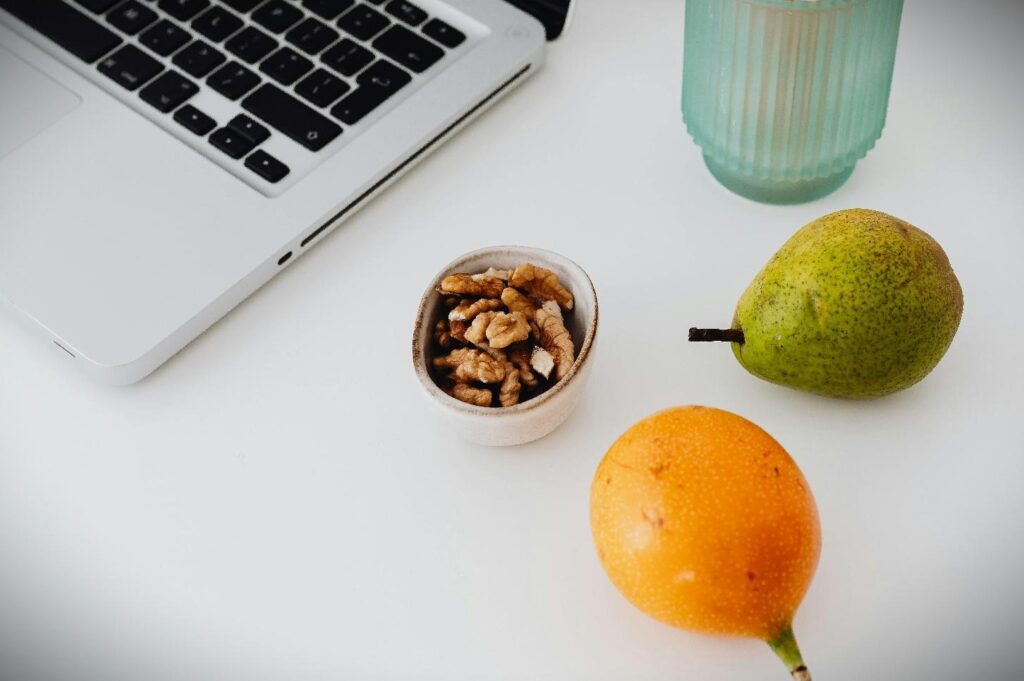
Here’s an easy hack: build a “heart-healthy desk kit” every Monday—reusable water bottle, tea bags, a container of nuts, and a couple pieces of shelf-stable fruit. In the future, you will thank the present you.

Set Stress Boundaries That Actually Protect Your Heart
Work stress doesn’t just feel lousy; it shows up in your actual heart risk profile. Research links long hours and high strain with increased rates of high blood pressure and heart disease.
Here are a few boundaries you can set:
- Pick an “off” time: Choose a realistic time most evenings when you stop checking email. Chronic inability to unwind after work is linked to higher cardiovascular risk and worse blood pressure control.
- Schedule recovery breaks: Block out two 5-minute “do nothing” breaks during your day—no phone, no email, just breathing, looking out a window, walking, or light stretching. Brief recovery moments can help dial down the stress response that strains your heart over time.
- Have the workload conversation: If possible, talk with your manager about workload peaks and realistic deadlines. Studies show that reducing job stress can lower cardiovascular risk.
Even if you can’t change your job overnight, you can absolutely change how you use your off-the-clock time at work for healthy breathwork, mindful recovery, and light exercise.
What a Heart-Smart Workday Looks Like
Here’s a realistic snapshot of how this plays out in real life:
- Morning: Park a little farther away, take the stairs, and drink water instead of a second sugary latte.
- Midday: Take a 10-minute walk before or after lunch, choose a protein-and-veggie meal over fast food, and stand while you answer a few emails.
- Afternoon: Set hourly movement reminders on your phone, grab nuts or fruit instead of hitting the vending machine, and take a 5-minute breathing break between meetings.
None of these changes are earth-shattering on their own. But here’s the thing: consistency beats perfection every time. When you string together more movement, smarter snacks, and better stress boundaries day after day, you’re not just surviving your 9-to-5—you’re protecting your heart for the long haul. Small steps really do add up to a stronger, healthier heart, and that’s worth showing up for.
Linda Hubbard is an RN, Nutrition Specialist & Founderof To Your Health, a national nutrition and wellness coaching firm based in Wallingford, CT.
Mark Hubbard, is a writer and editor with years of experience in the health and science sectors. He specializes in distilling complex topics into understandable, engaging text.